Coppicing

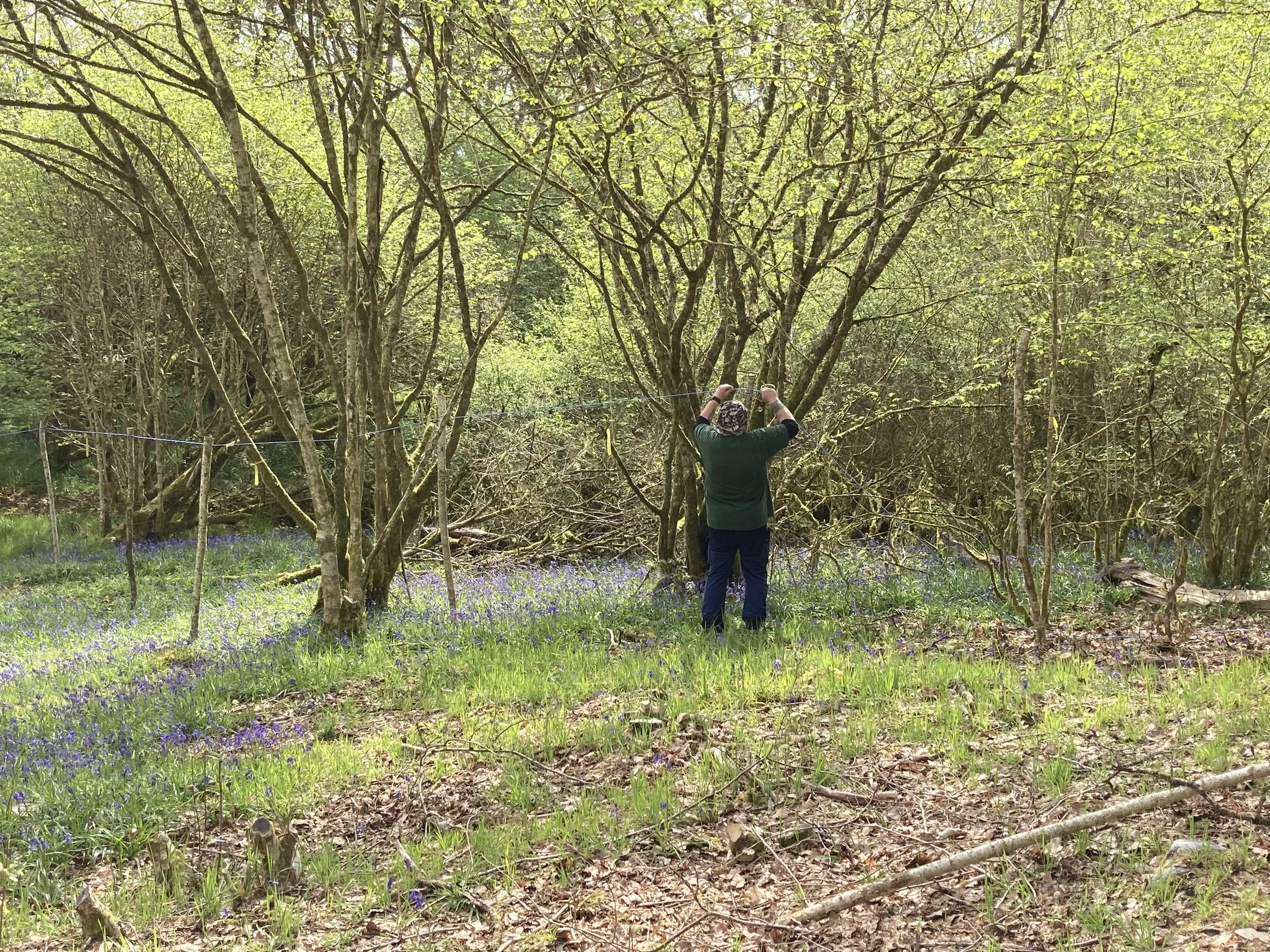
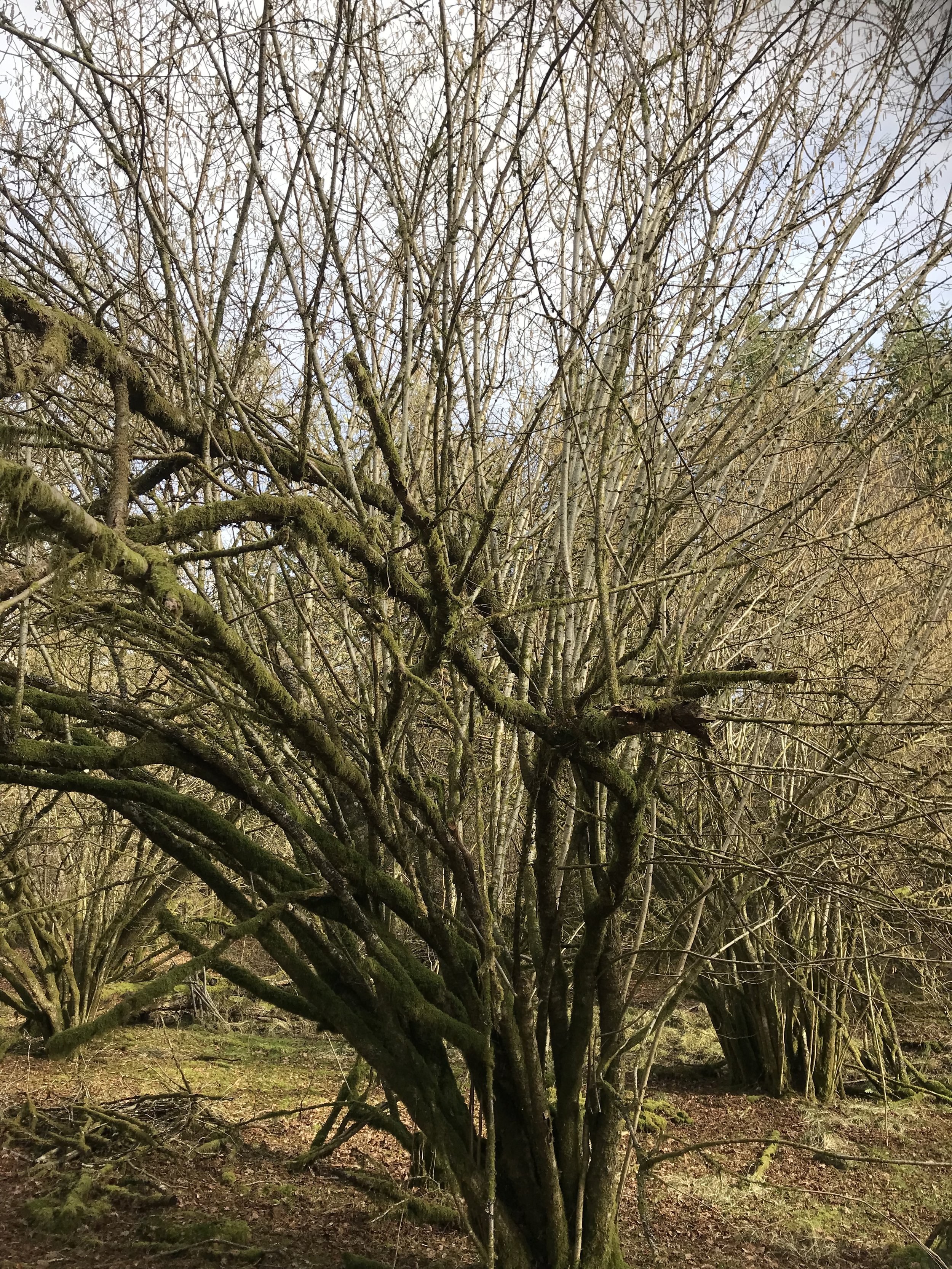
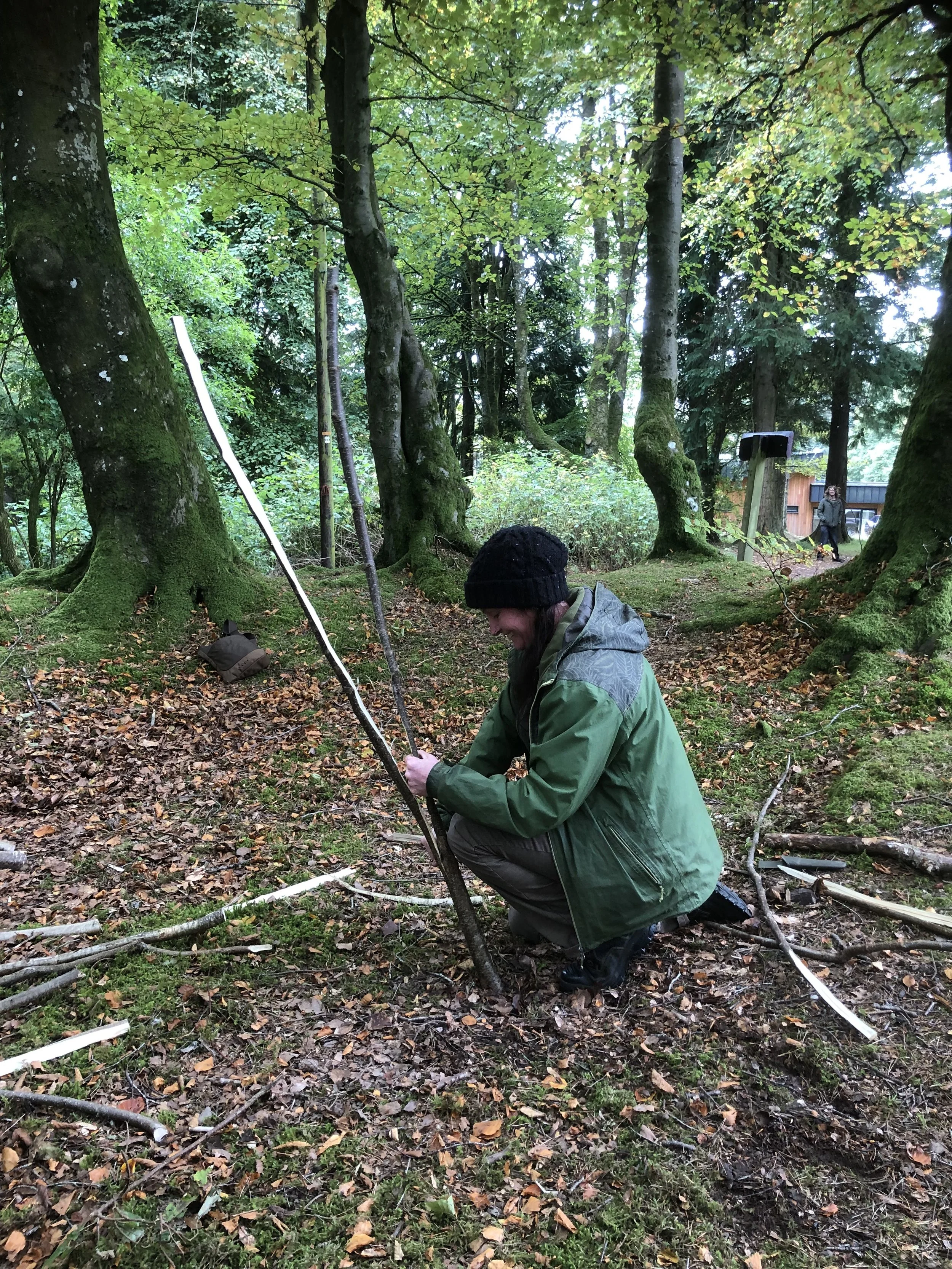
Coppicing is one of the earliest forms of woodland management, used for thousands of years to provide a sustainable source of timber, but now all but lost in Scotland.
We want to change that.
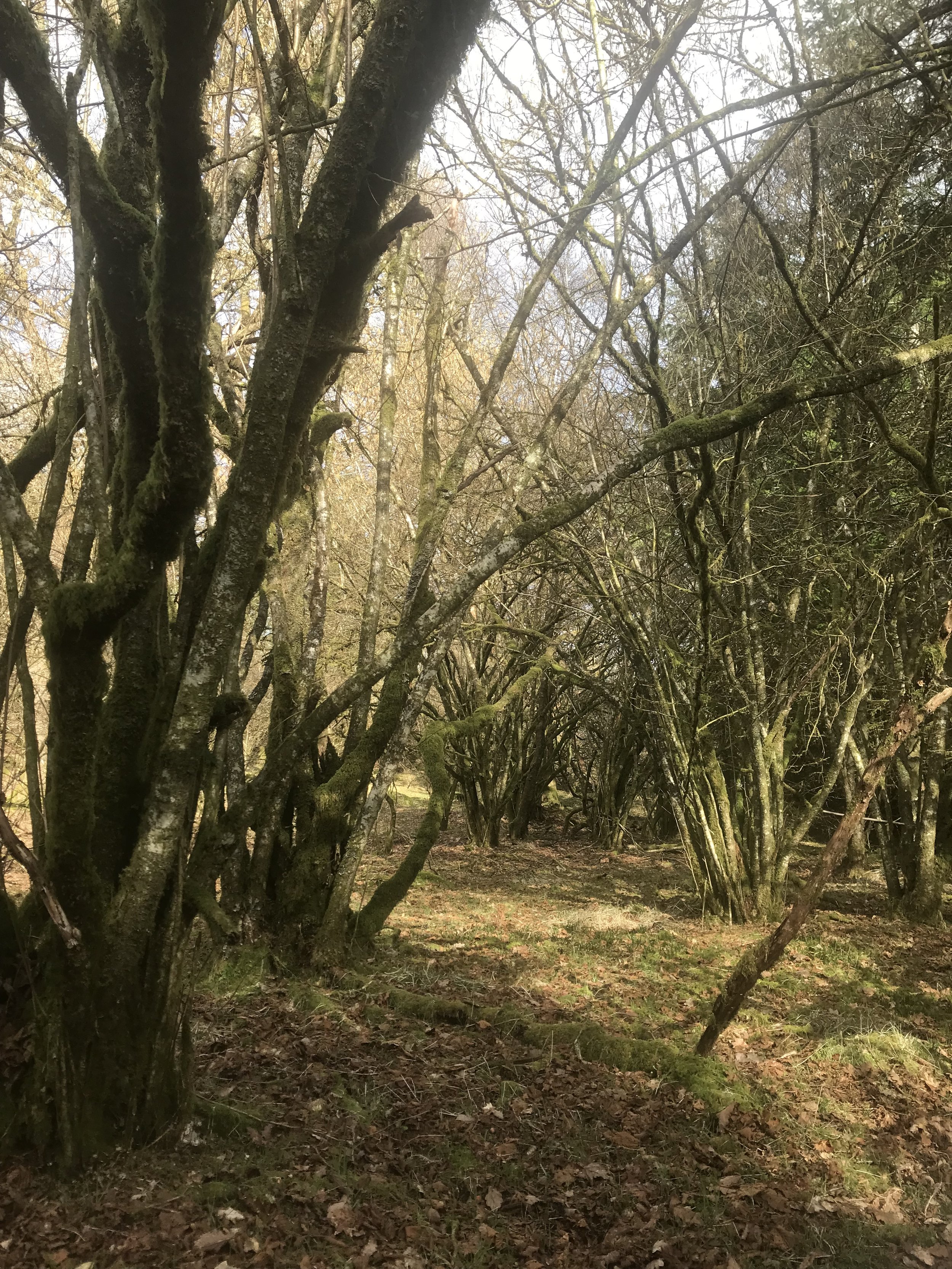
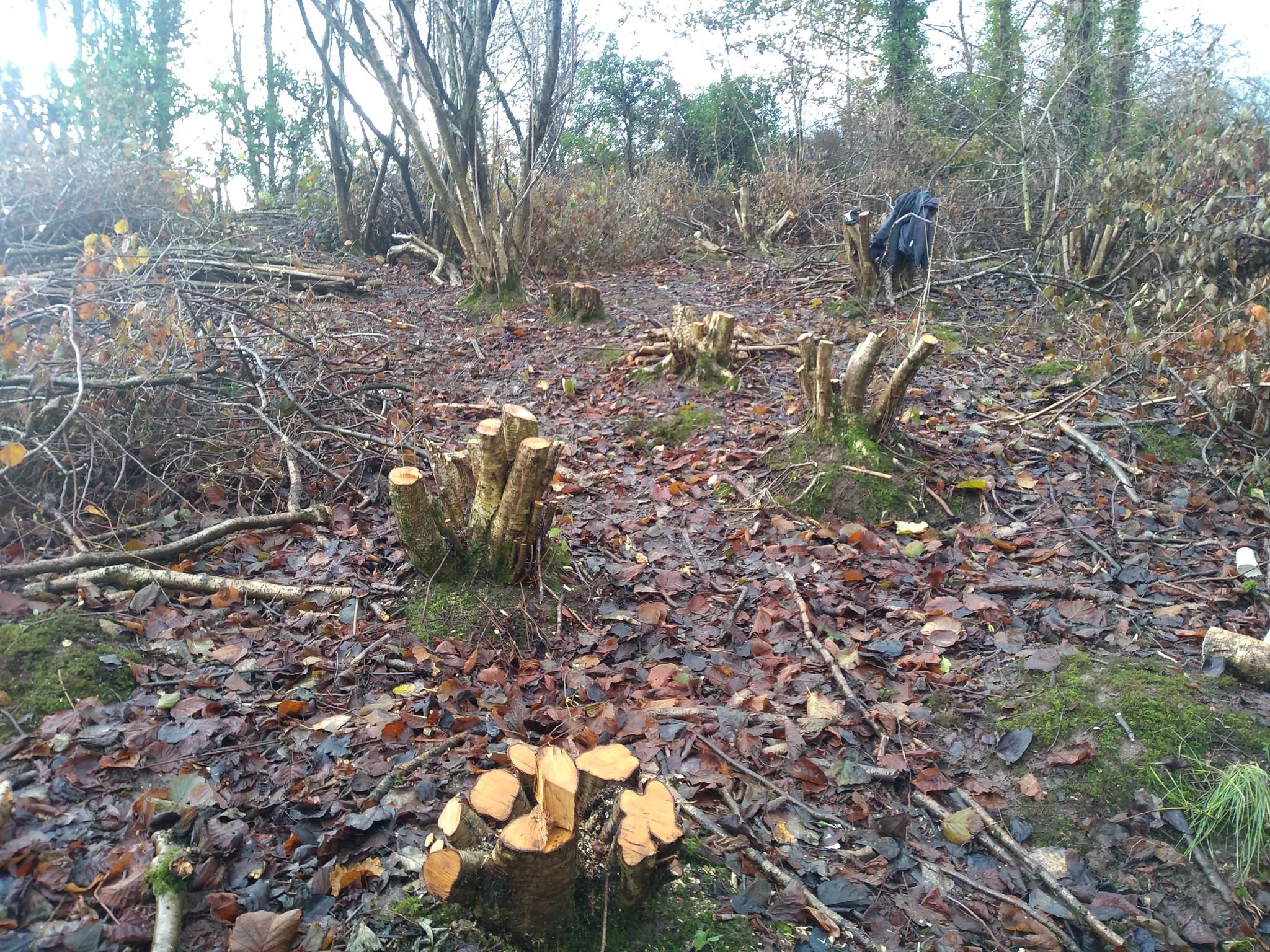
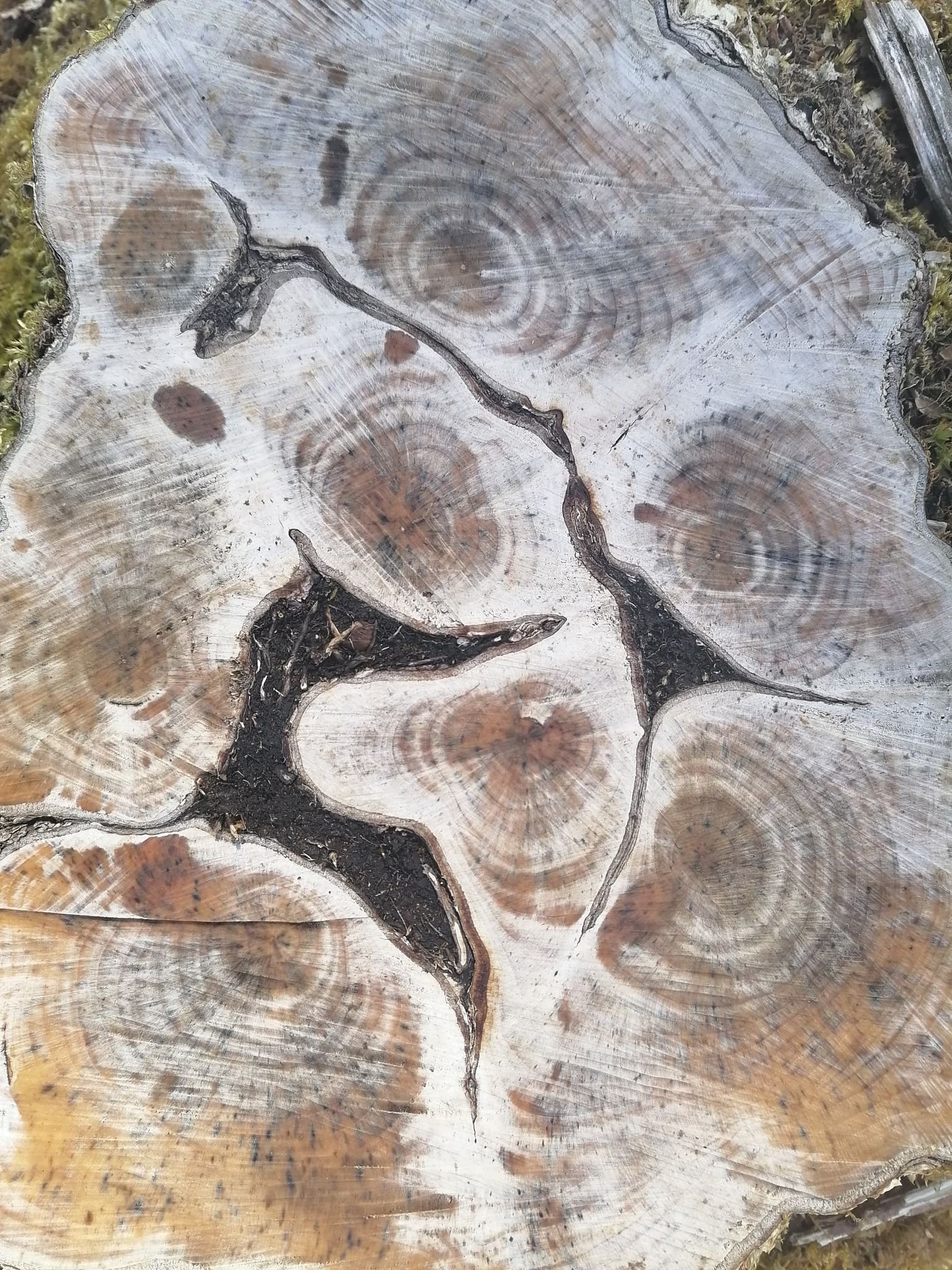
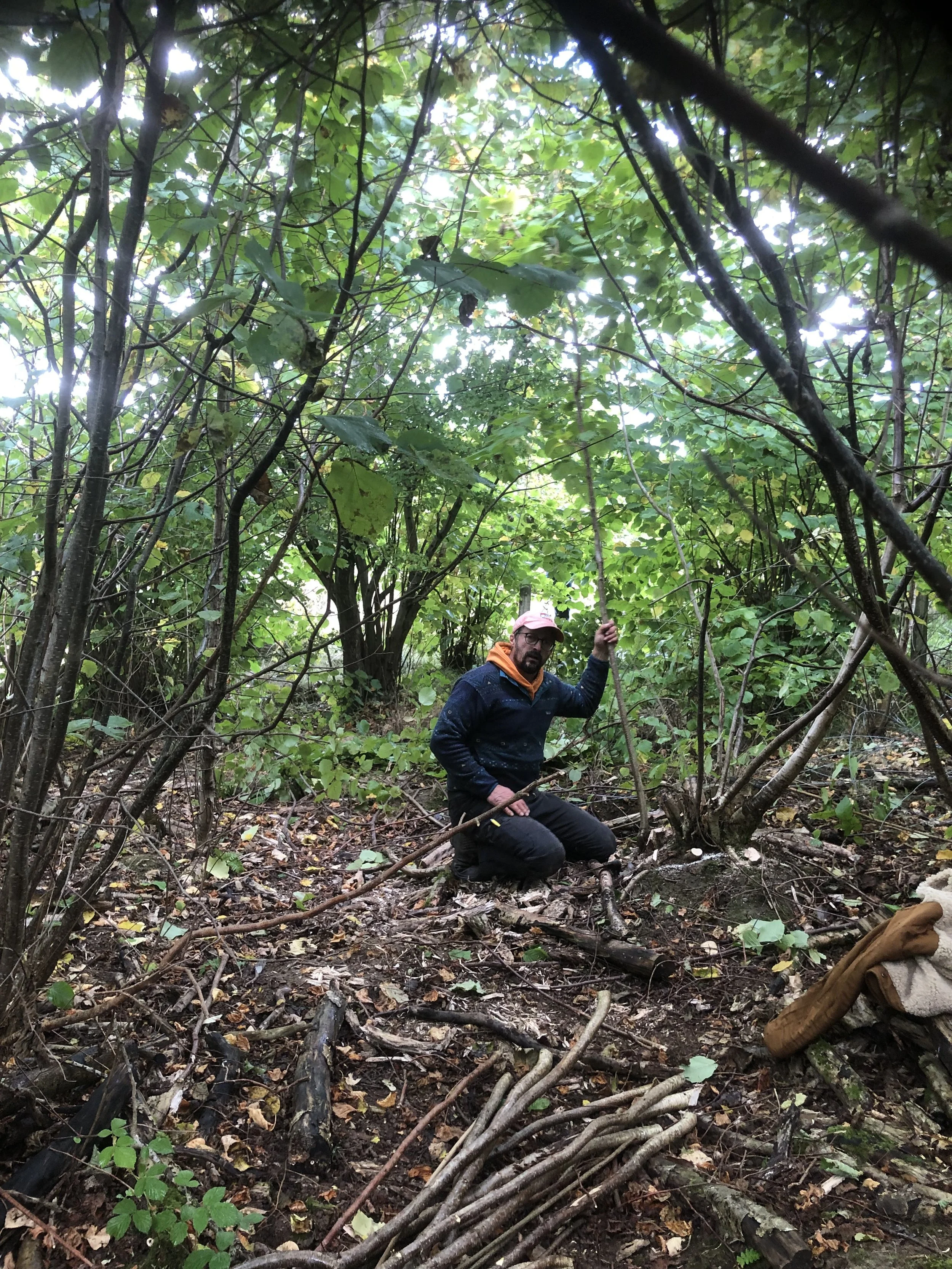
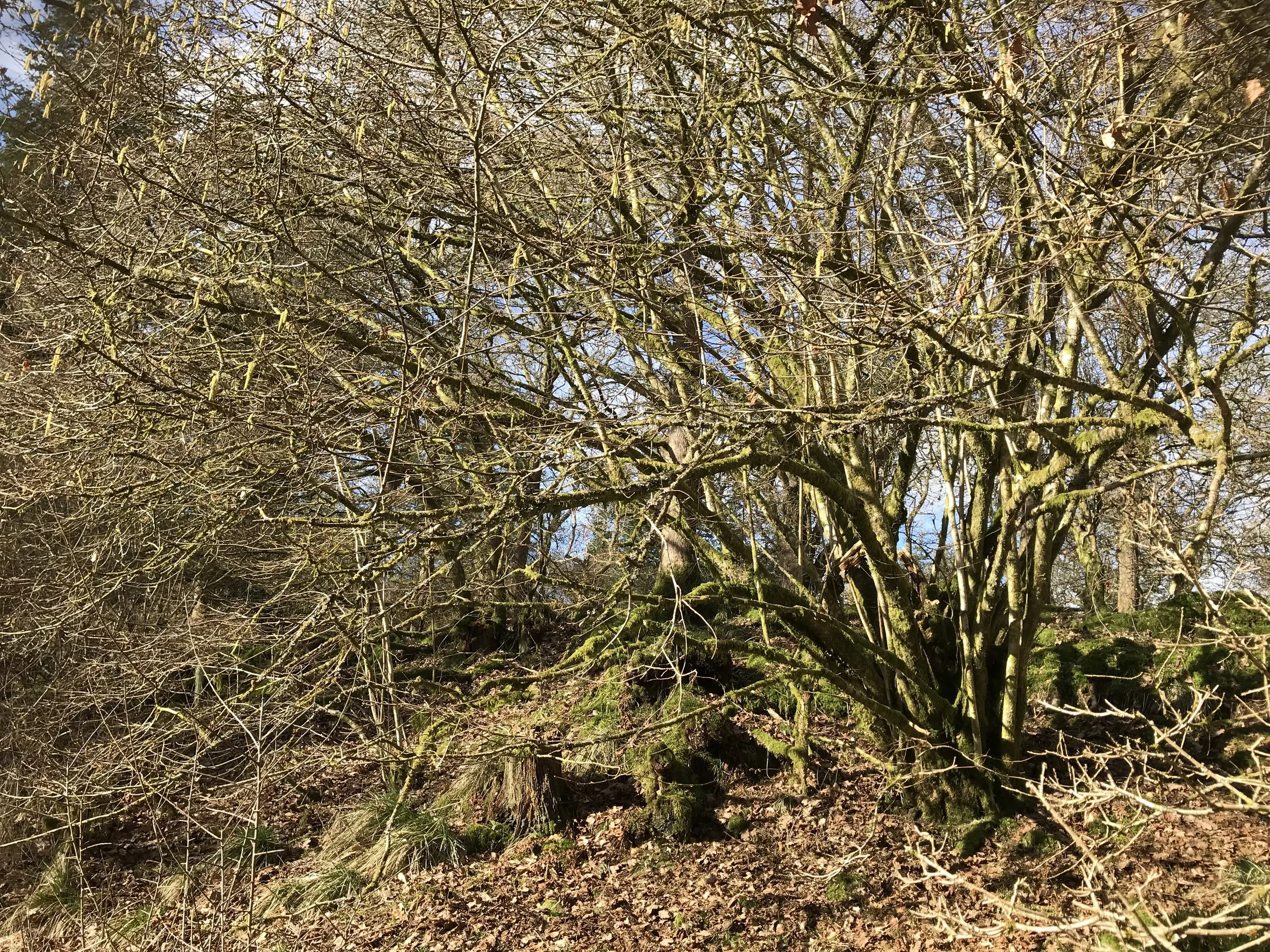
Coppice is created by cutting trees to ground level, creating a ‘stool’ and encouraging new shoots to grow. This is done on a rotation, with different sections of a larger area cut each year. Most broadleaf species can be coppiced; in Scotland, this tended to be focused on oak and hazel. Coppicing was a major industry until the early 1900s, when industry replaced labour intensive natural materials with cheaper synthetics and imports, and there has been little or no coppicing activity in Scotland for over 100 years.
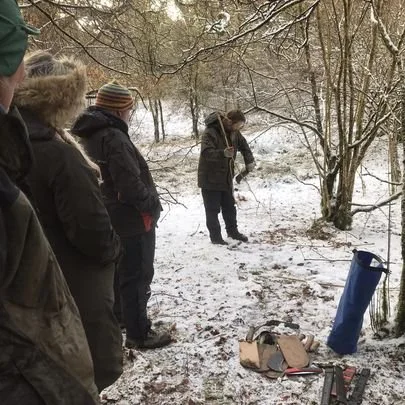
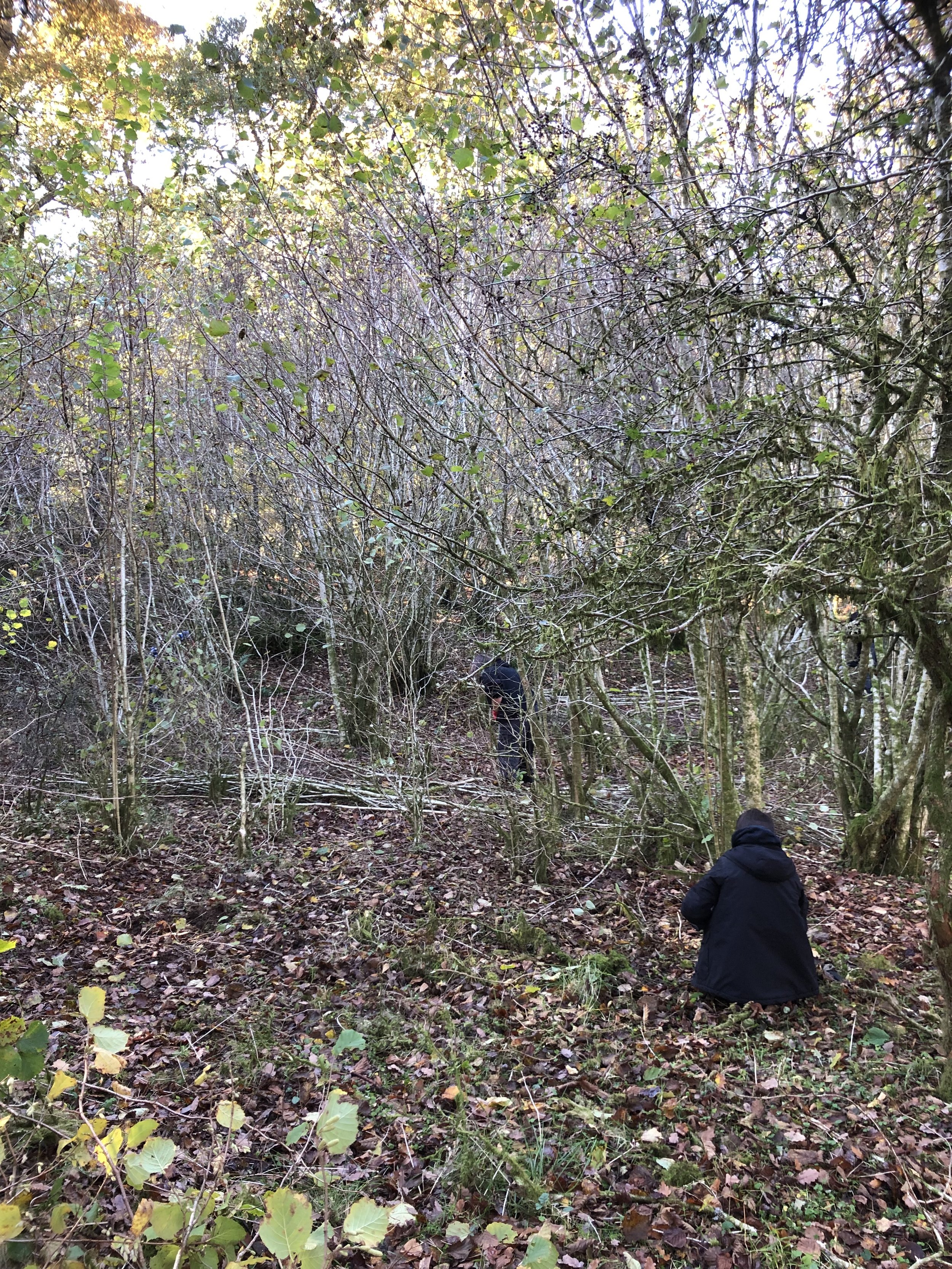
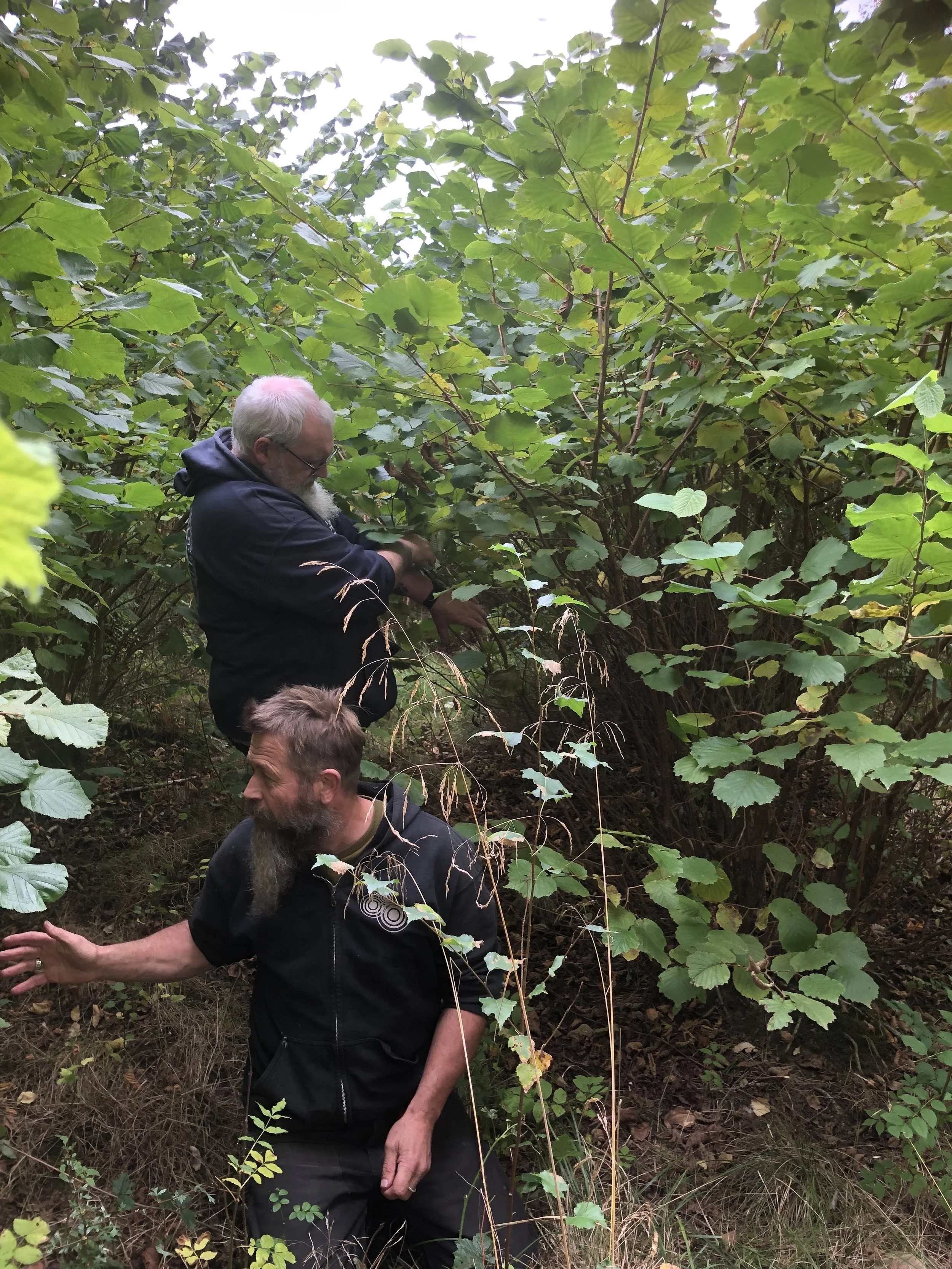
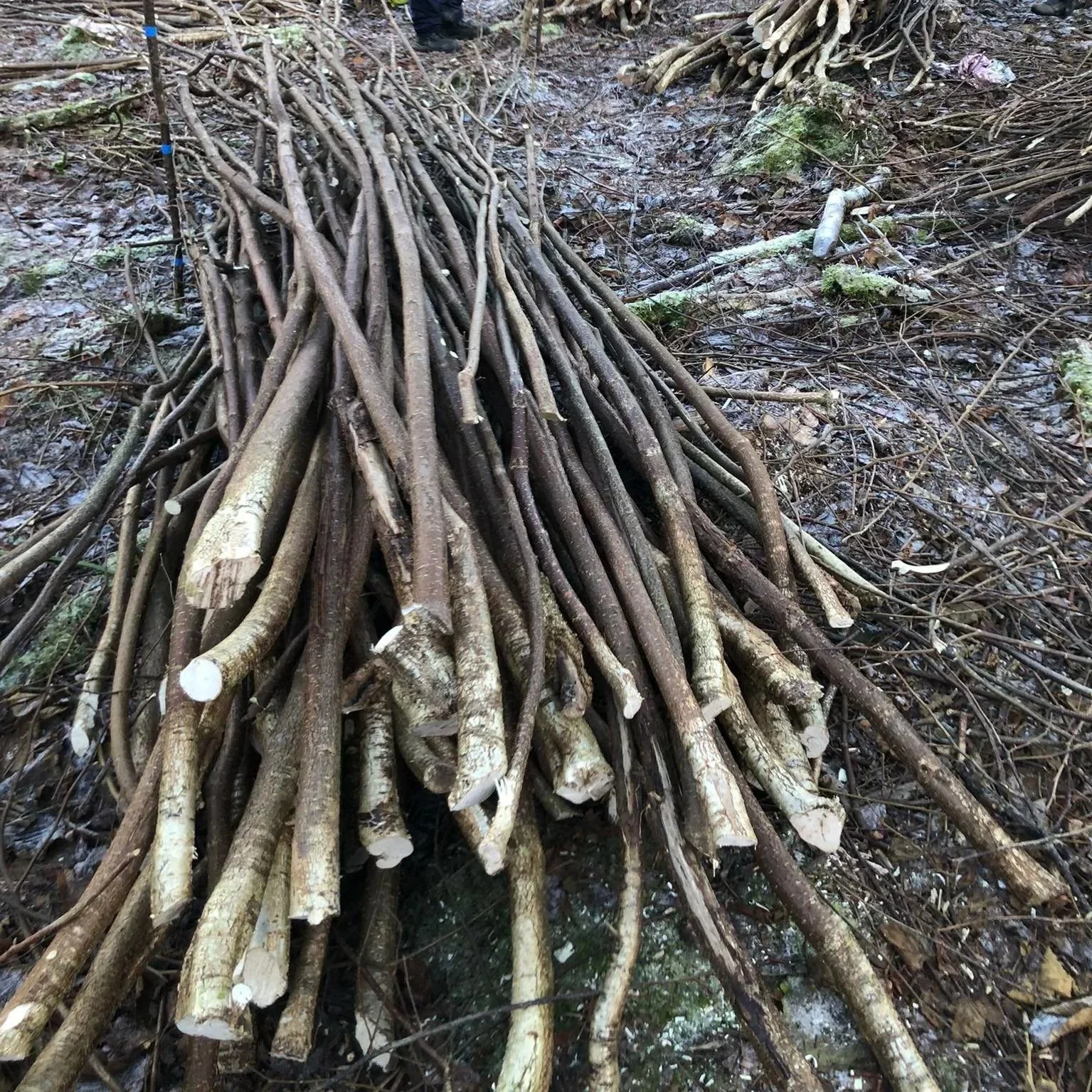
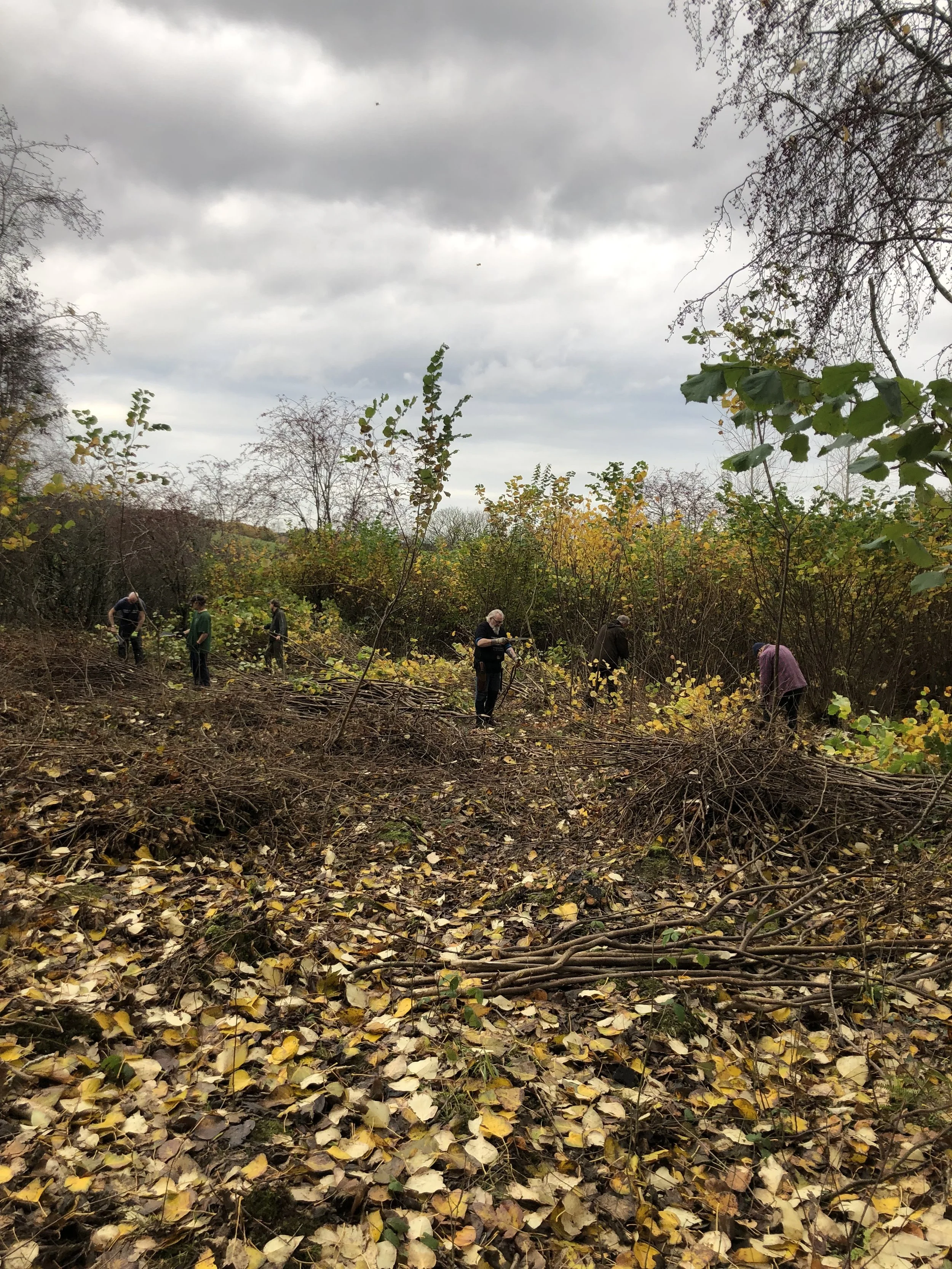
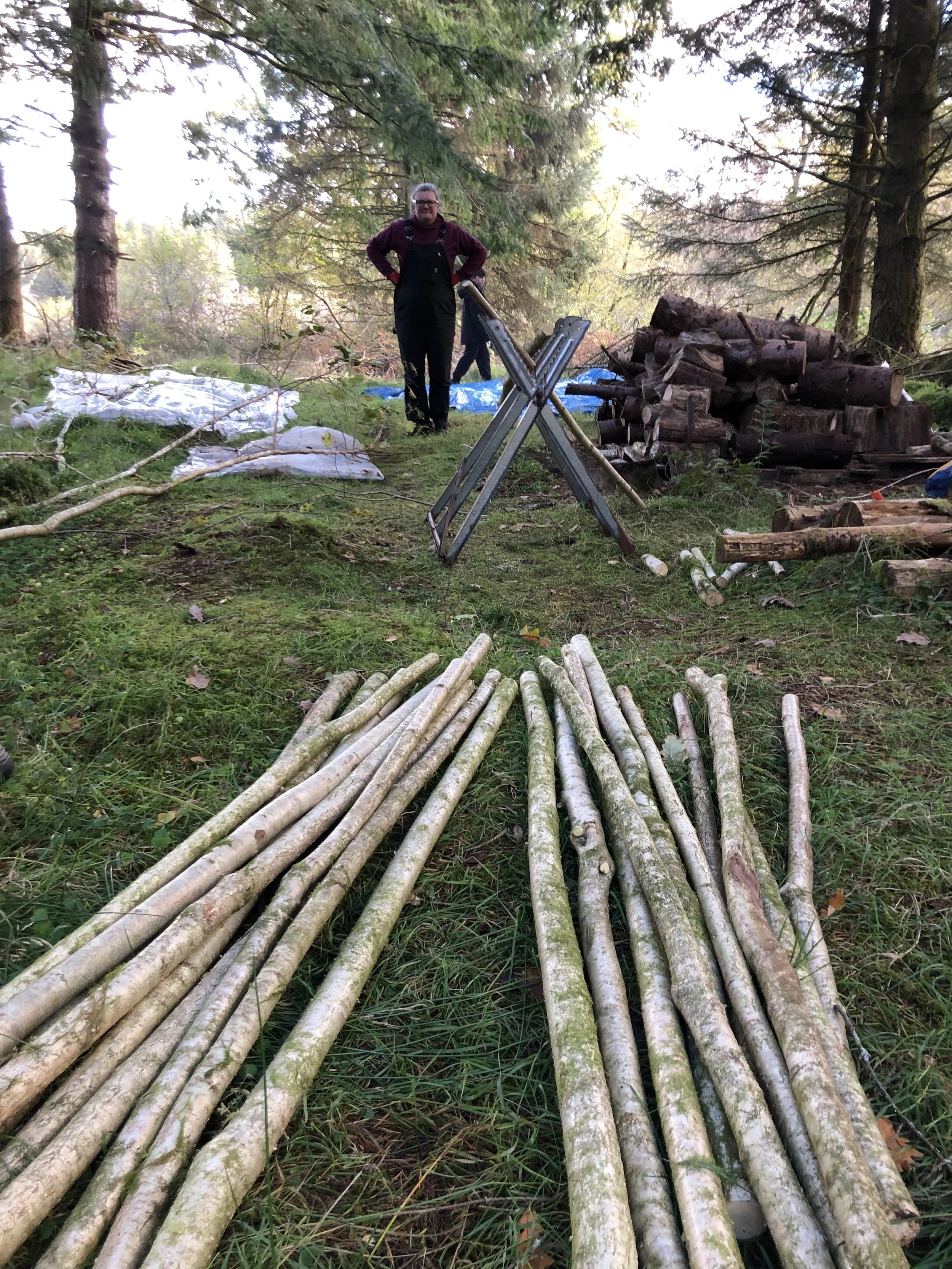
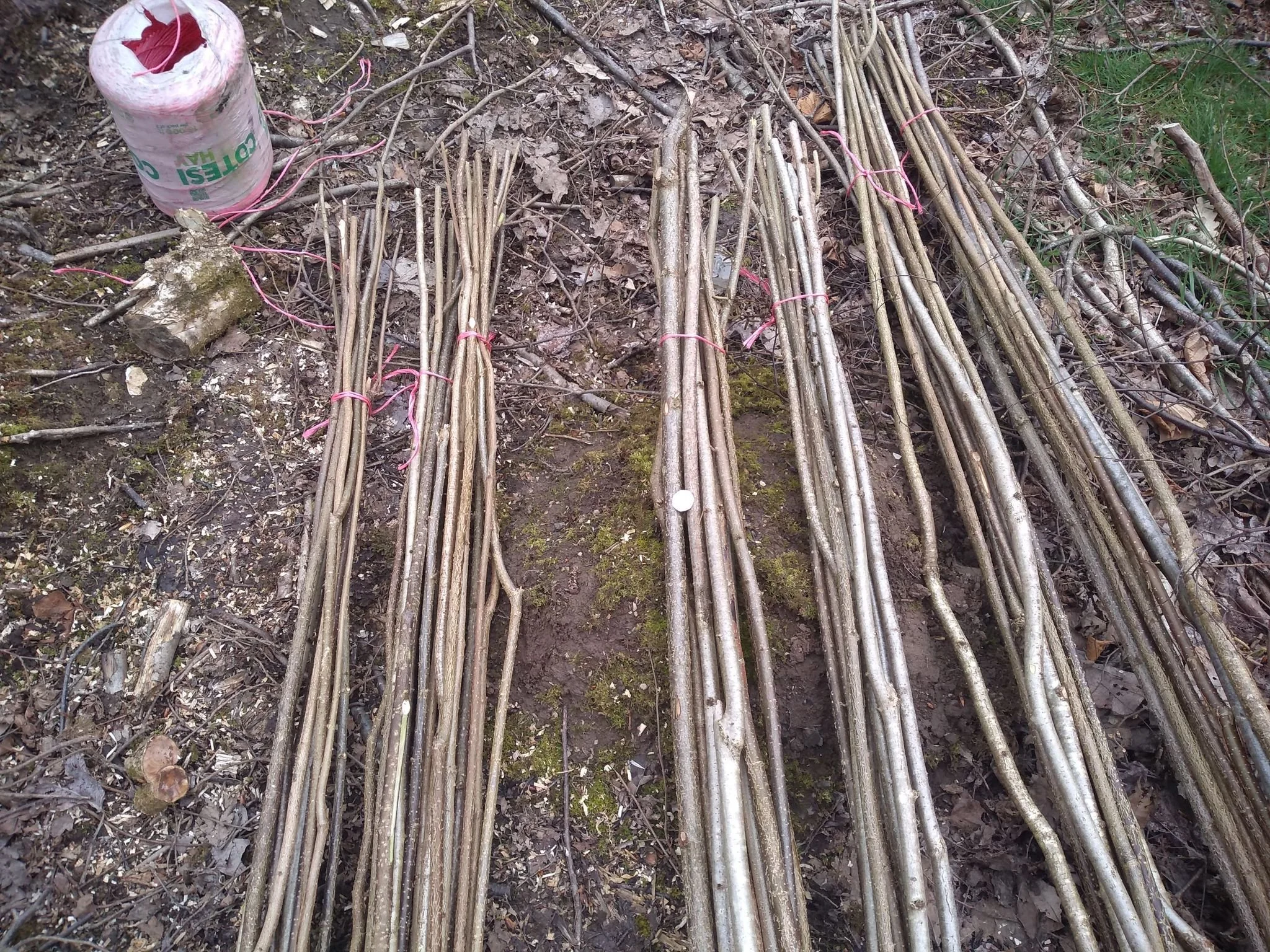
We started restoring a hazel coppice nr Blantyre, south of Glasgow, in 2015 and, with the support of some amazing volunteers, have transformed what was a collection of overgrown, gnarly hazel trees into a coppice in rotation, producing straight sticks that we use in a variety of ways - as tree stakes, in our greenwood workshops, in hazel hurdles, as beanpoles, and to use in our range of traditional games. For the last three years, we’ve added a second coppice to the programme, restoring the hazel rotation at Kirkton Wood, nr Aberfoyle.
Do you have a hazel site that could be coppiced? Or do you work for an organisation who might benefit from coppiced material? We’re keen to get the conversations going, so please get in touch!
Watch our latest film on coppicing created by Firstlight Media.
Music from #Uppbeat (free for Creators!): https://uppbeat.io/t/ottomp3/the-turn-of-winter License code: EIZAUTGFXDMPLBLY. https://uppbeat.io/t/northwestern/aprilLicense code: Q2ICBLI2GL0JCCAA. https://uppbeat.io/t/northwestern/ballerina License code: 9BSJKEUGFC8LEVSC
A film of our Coppice Community event, 2025.
Why is coppicing important?
As well as providing a completely renewable timber resource - used historically in building, erosion management, thatching, and charcoal - coppicing also has significant benefits for nature. Not only does it increase the health and longevity of the trees being coppiced, it has also been linked to improved biodiversity. By letting light into a new area each year, it encourages the re-emergence of woodland flowers and the creation of new habitats for insects, birds and small mammals.
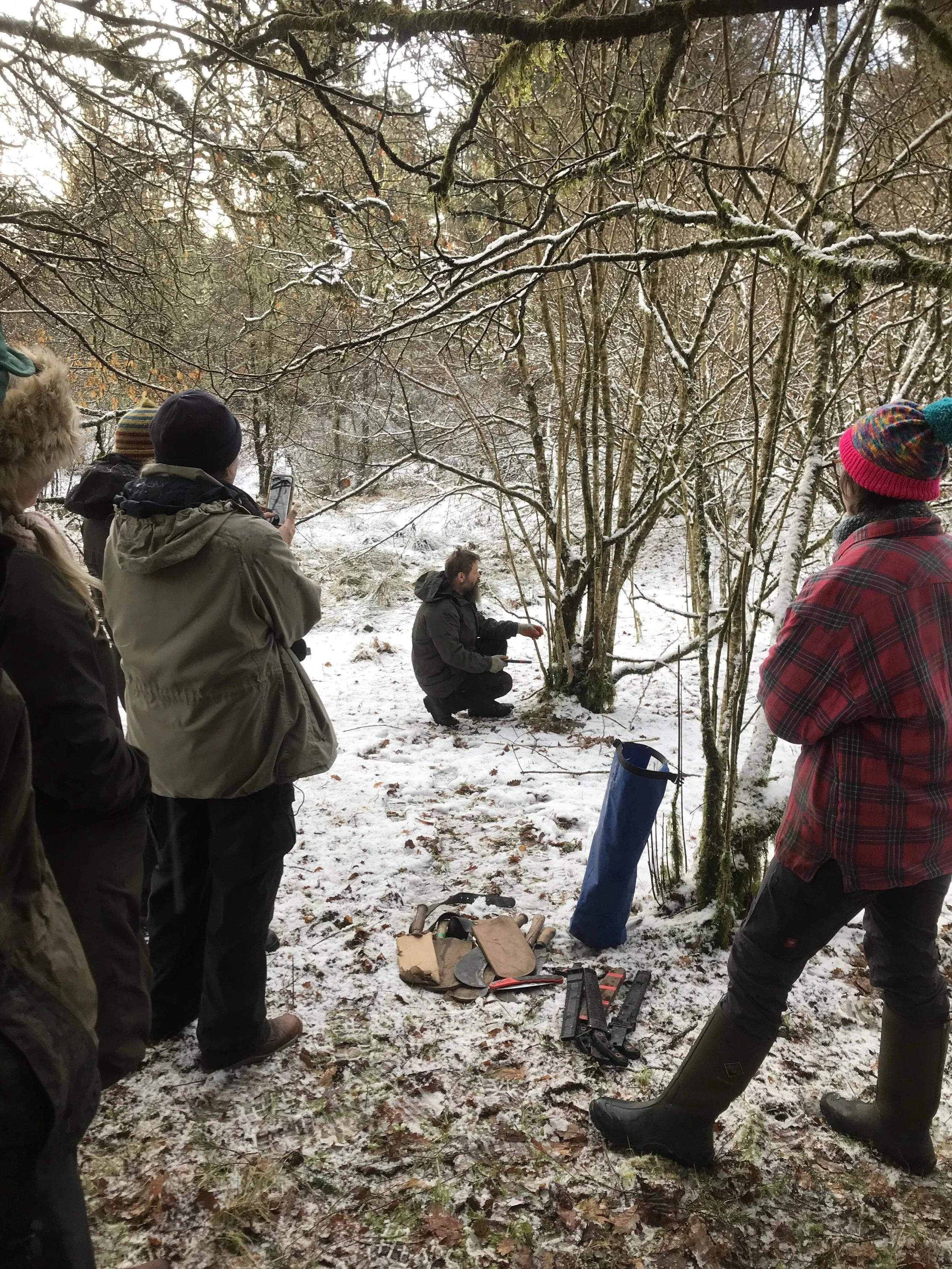
Coppicing skills
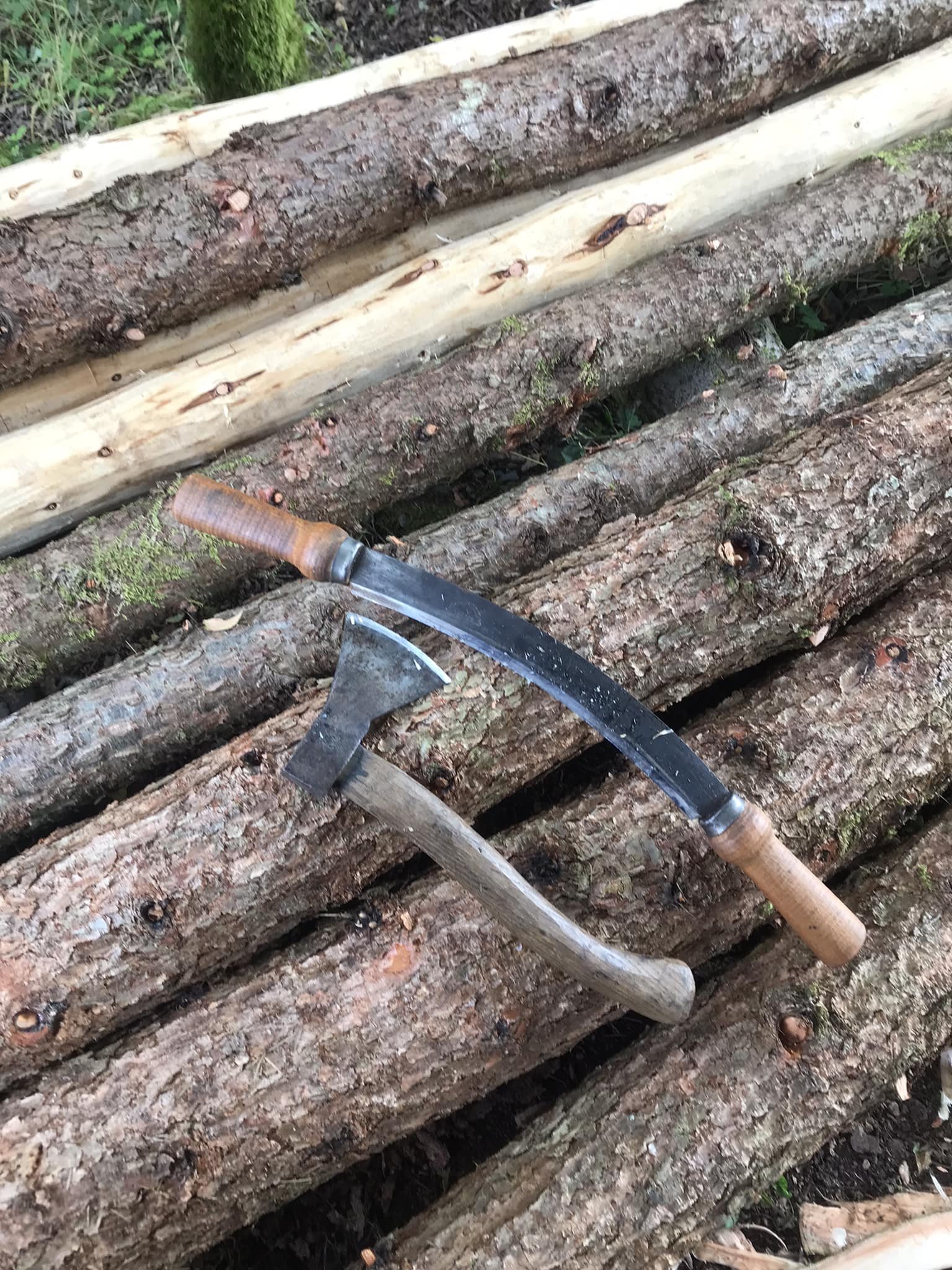
Because coppicing all but died out in Scotland in the early twentieth century, there is a significant shortage of skilled people to work and manage the coppice sites. This is a problem: there is a growing demand for coppice products but, while coppicing has seen a resurgence in parts of England, there are very few active coppicers in Scotland. Coppicing is a hands-on, low impact and person-scaled activity that can give people the sense that they can make a difference. We want to help build awareness, skills and capacity in coppicing skills and we’re working not only with our own volunteers, but also with organisations across Scotland to do this.
Buy coppice products
We use the coppiced hazel sticks in a range of products, including:
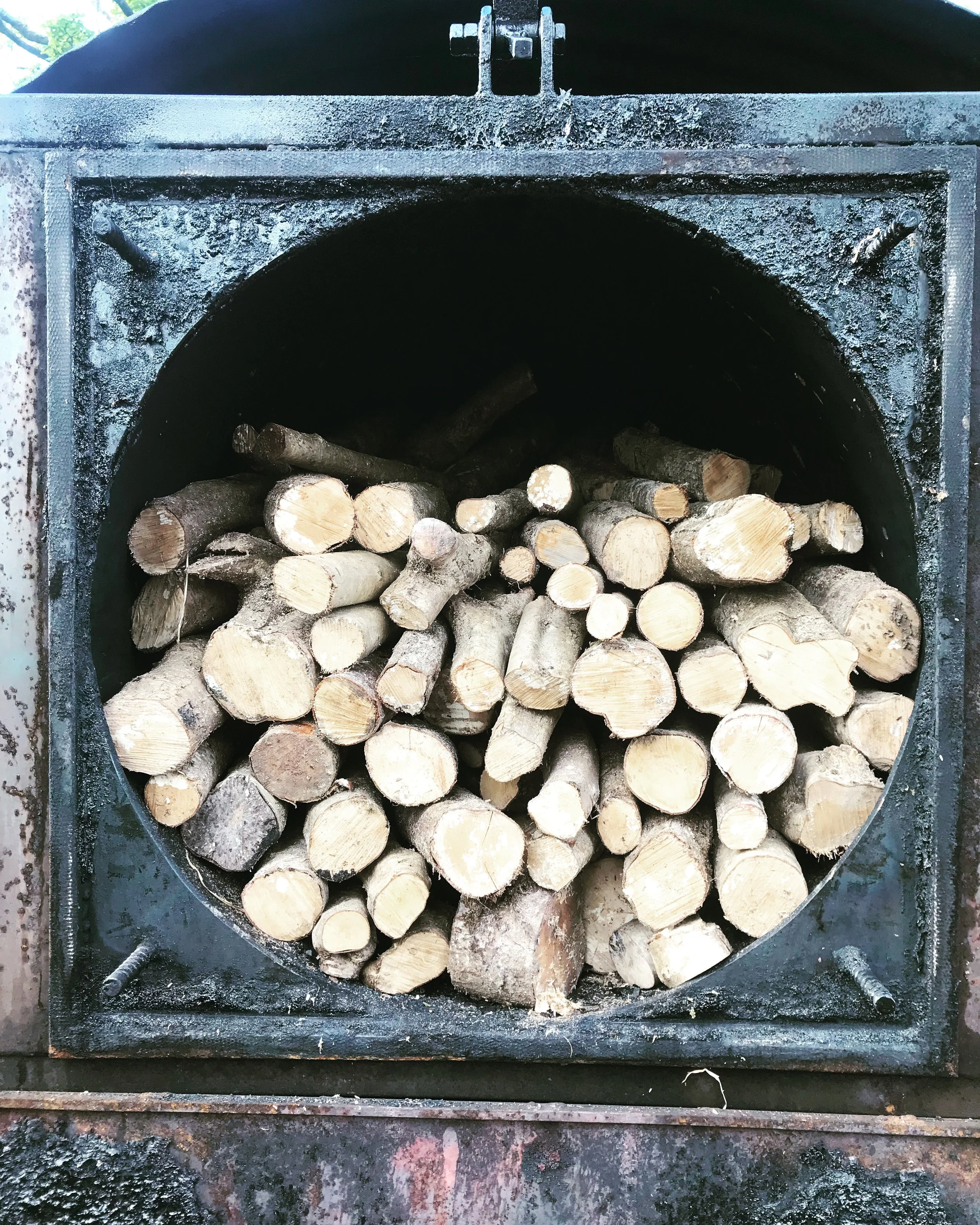
Charcoal
Traditional games and jewellery
Bean poles
Rustic stools
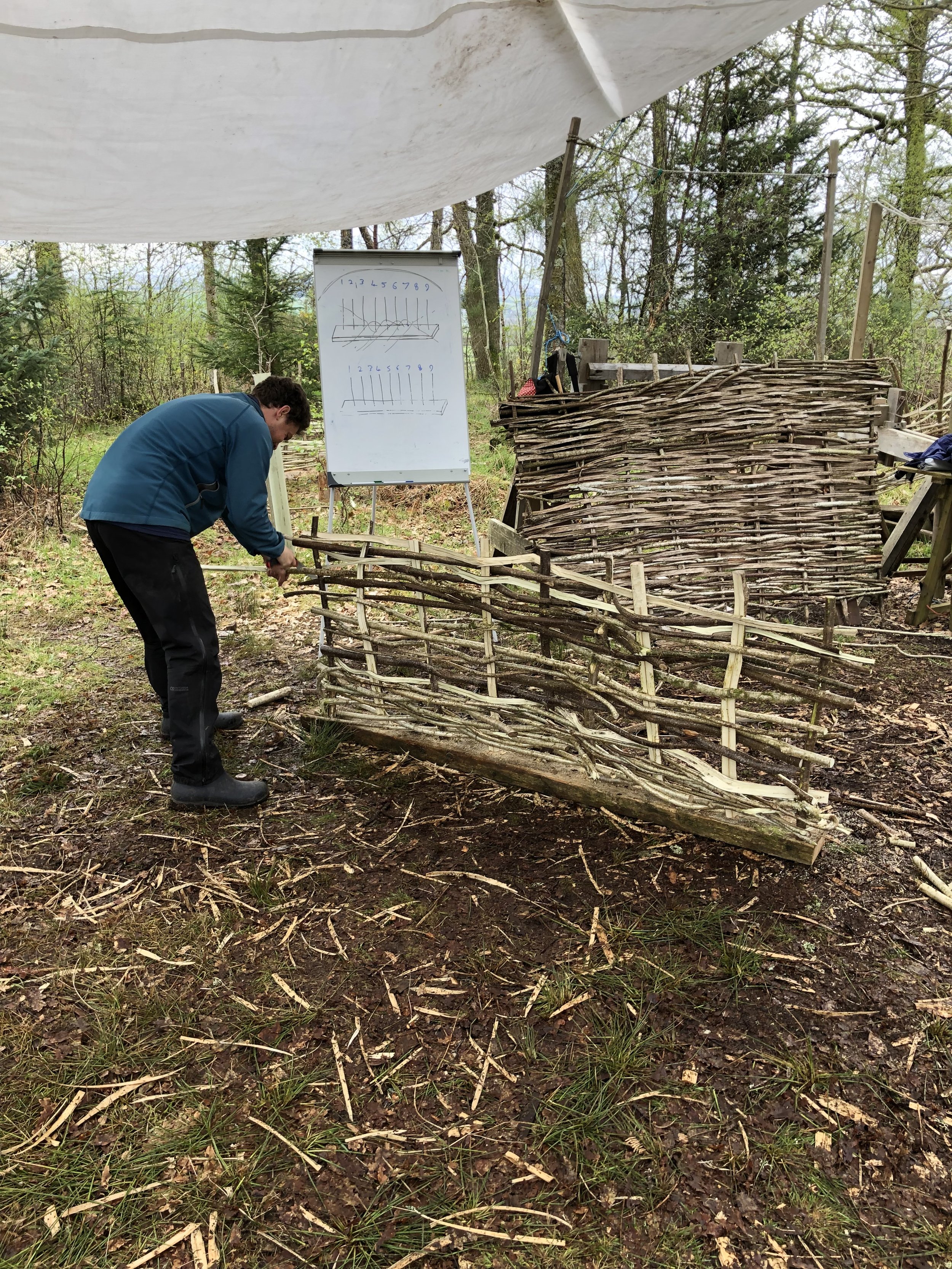
Hazel Hurdles
Tree stakes